
How To Compare Two Residential Projects Beyond Price And Location
15 Jul, 2026
By : Admin
How To Compare Two Residential Projects Beyond Price And Location
Buying a home is one of the biggest investments most people will ever make. Naturally, price and location remain two of the first factors buyers consider. A home that fits the budget and offers good connectivity is always appealing. However, in today's real estate market, making a decision based only on these two aspects may not always lead to the best outcome.
The modern homebuyer is far more informed than ever before. With easy access to information, buyers now understand that the long term value of a home depends on several factors that extend well beyond its price tag or address. Two projects in the same neighbourhood may appear similar on paper, yet offer completely different living experiences and investment potential.
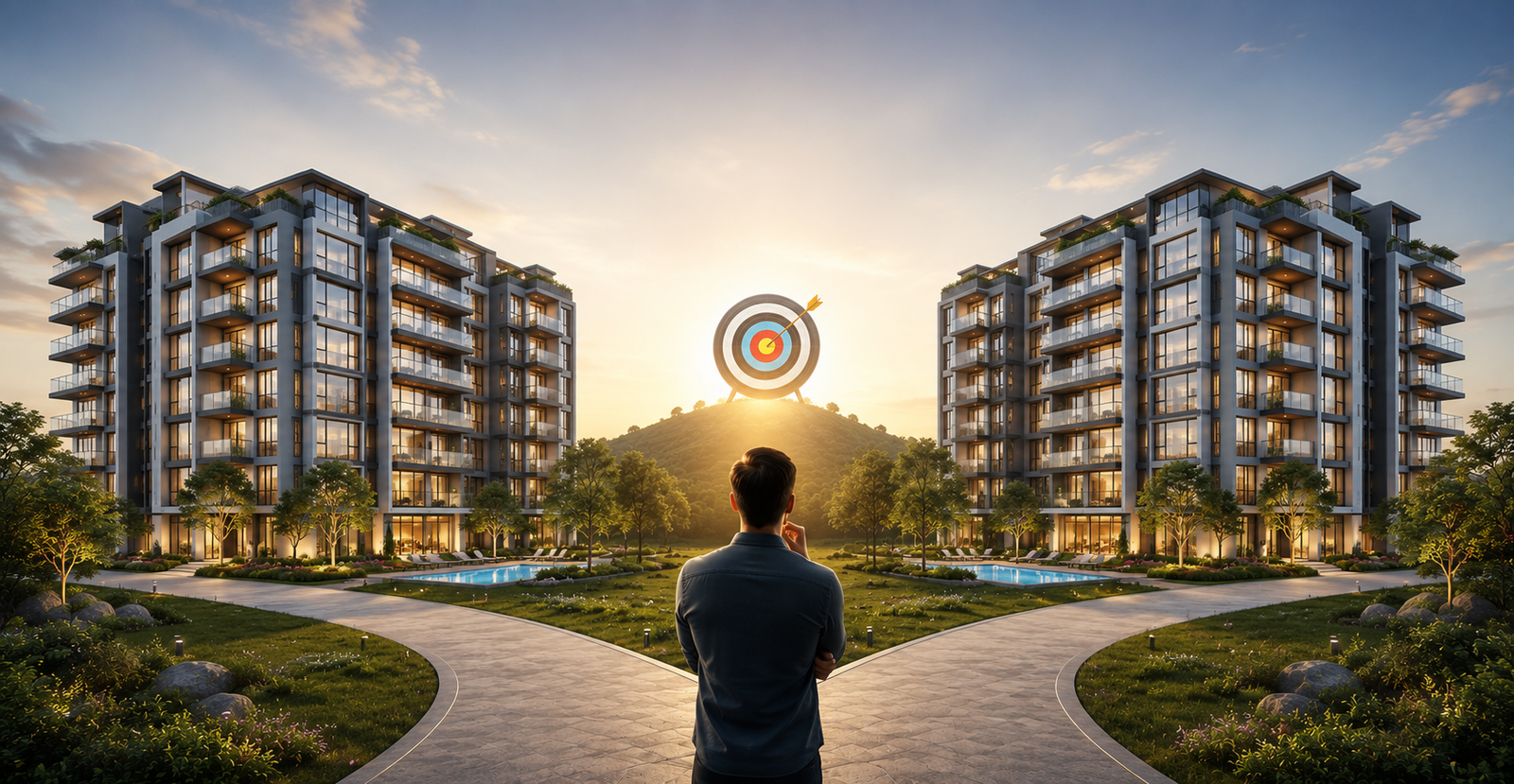
Comparing residential projects thoughtfully allows buyers to make decisions with greater confidence. Instead of asking which project is cheaper, the more important question is which project will continue to deliver value, comfort, and peace of mind for years to come.
One of the first aspects to examine is the reputation of the developer. A well established developer with a history of delivering quality projects on time provides greater confidence than one with an uncertain track record. Looking at previously completed developments can help buyers understand construction quality, maintenance standards, and customer satisfaction. The developer's reputation often reflects how they handle commitments before, during, and after possession.
Construction quality deserves equal attention. Attractive interiors and beautifully designed sample apartments can create a strong first impression, but they represent only a small part of the overall picture. Buyers should carefully observe the quality of materials, finishing, structural workmanship, ventilation, natural lighting, and the practical use of space. A thoughtfully designed home offers comfort every day, not just on the day it is purchased.
Project planning is another important consideration. A residential community should be designed to support comfortable living rather than simply maximise the number of apartments. Wide internal roads, landscaped open spaces, children's play areas, adequate parking, efficient traffic movement, and well planned common facilities contribute significantly to everyday convenience. These elements often become more valuable after residents begin living in the community.
Amenities should also be evaluated with practicality in mind. Modern projects often showcase impressive facilities, but buyers should ask whether these amenities genuinely enhance daily life. A well maintained clubhouse, fitness centre, walking spaces, and community areas usually provide more lasting value than features that appear attractive during sales presentations but remain underutilised after possession.
The future development of the surrounding area is another factor that deserves careful research. Infrastructure projects such as metro connectivity, new highways, business districts, educational institutions, hospitals, and commercial developments can significantly influence both quality of life and property appreciation. A project located in an area with planned infrastructure growth may offer stronger long term value than one that appears attractive today but has limited future development.
Legal approvals and regulatory compliance should never be overlooked. Buyers should verify that all necessary approvals have been obtained and that the project complies with applicable regulations. Proper documentation not only protects the buyer's investment but also reduces the possibility of future legal complications.
Construction progress offers another useful indicator when comparing projects. Visiting the site allows buyers to observe the pace of development, quality of workmanship, cleanliness, and safety practices. Projects progressing steadily often reflect organised planning and effective project management. This provides greater confidence regarding timely possession.
Customer experience has become one of the most valuable sources of information for today's buyers. Speaking with existing residents or reading genuine customer reviews offers practical insights that brochures cannot provide. Buyers can learn about construction quality, maintenance services, communication standards, and how effectively the developer responds to concerns after possession. These experiences often reveal the true character of a developer.
Financial considerations also extend beyond the initial purchase price. Maintenance charges, registration expenses, parking costs, interior requirements, and long term upkeep all contribute to the total cost of ownership. A project with a slightly higher purchase price may ultimately offer better value if it delivers superior construction quality, efficient maintenance, and stronger appreciation potential over time.
Another important aspect is the flexibility of the home itself. Families evolve over the years, and a home should be capable of supporting changing lifestyles. Functional layouts, efficient room sizes, good storage planning, natural ventilation, and comfortable living spaces contribute to long term satisfaction. Buyers increasingly recognise that intelligent design often adds more value than simply having a larger apartment.
Sustainability has also become an important consideration in recent years. Energy efficient planning, rainwater harvesting, waste management systems, green spaces, and environmentally responsible construction practices contribute to lower operational costs and a healthier living environment. Projects that incorporate these features are often better prepared for the future.
The overall quality of communication from the developer can also influence the buying experience. Developers who provide clear information, regular construction updates, transparent payment schedules, and prompt responses create confidence throughout the journey. Honest communication reflects professionalism and builds trust that continues long after possession.
Among the many developers shaping Pune's residential landscape, JN Realty has consistently recognised that homebuyers expect more than competitive pricing and attractive locations. Buyers seek lasting value, dependable quality, and complete transparency throughout the home buying process. By focusing on thoughtful planning, responsible construction, timely delivery, and customer centric service, JN Realty has earned the confidence of families looking for homes they can truly rely upon. Every project reflects a commitment to creating living spaces that continue to deliver satisfaction well into the future.
Choosing between two residential projects should never be reduced to a comparison of price or location alone. A home is an investment in everyday living, financial security, and future aspirations. The developer's reputation, construction quality, planning, transparency, customer experience, legal compliance, and long term value all deserve equal consideration.
The most informed buyers understand that a slightly lower price may not always represent the better investment. Instead, they focus on selecting a project that offers reliability, quality, and peace of mind. When every important factor is carefully evaluated, the decision becomes clearer and the investment becomes far more rewarding.
In 2026, successful homebuyers are those who look beyond the obvious. They compare residential projects with patience, ask the right questions, and choose developers whose commitment to quality and trust stands the test of time. That thoughtful approach transforms the purchase of a house into the beginning of a secure and fulfilling future.
Blog Comments
No comments yet. Be the first to comment!
Leave a Reply
Your email address will not be published. Required fields are marked *